
by Alexis M.
RECOGNIZE: We all live in an affordable housing cooperative in a prime location in the most unaffordable city in the nation. Retaining ownership of our property is always under threat. The only way we can retain ownership is to keep it affordable, i.e., (a) in good working condition, and (b) in the Mitchell-Lama program by paying our mortgage on time each month and keeping good relationships with HCR and the vendors and contractors we need to keep RVT operating economically and efficiently. This means all shareholders reporting and addressing maintenance issues in our apartments and paying our maintenance on time even when it is difficult . . . but not only that . . .
RECOGNIZE: Prior boards chose and have continued to keep Prestige Management Inc. (“Prestige” or “PMI”) as our management company because Prestige Management committed to keeping our property in our hands by keeping our cooperative in the Mitchell-Lama program and to always guide our boards of directors in making decisions that will do just that. Prestige has expertise and a very special set of skills for working with limited equity and Mitchell-Lama cooperatives. Many other management companies choose to make bigger profits outside of the Mitchell-Lama program and may negligently or intentionally cause buildings to leave Mitchell-Lama to become private cooperatives. We know Prestige is dedicated to our objective.

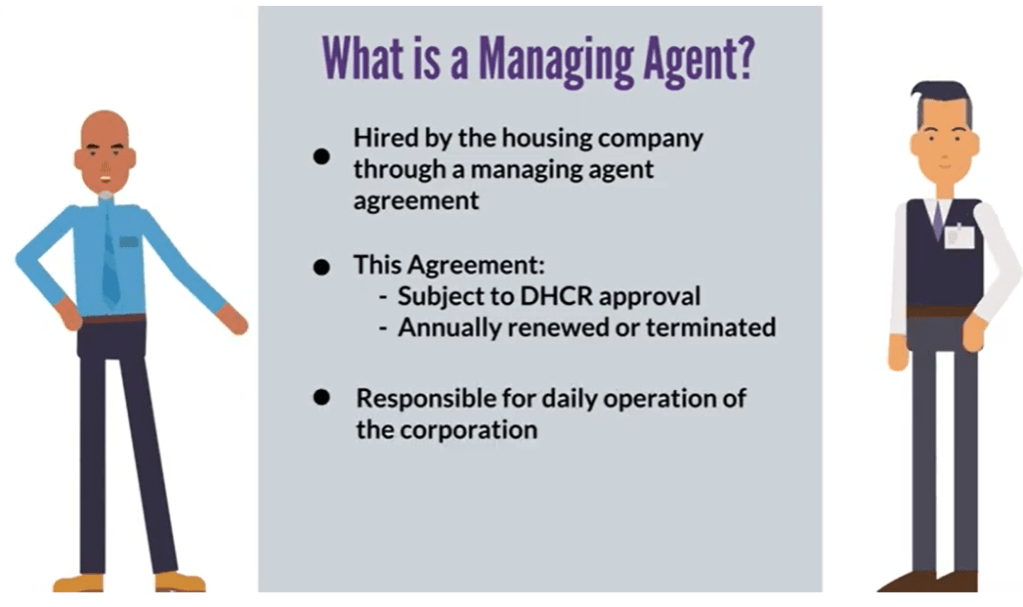
RECOGNIZE: Shareholders elected the board of directors to represent all of us and our prime objective is to preserve our mutual home. The best way to do that is for the board to keep our committed property management company, Prestige Management Inc., and work with PMI and be guided by their expertise to safeguard the homes of RVT’s 385 families as well as accomplish the current objectives of this board.

QUESTIONED: By first removing our corporate attorney Karol Robinson Esq., who also was committed to keeping RVT in the Mitchell-Lama program and owned by RVT shareholders, and then Tonya Jenkins as our on-site property manager the board jettisoned the two professionals most intimately aware of all aspects of the current capital improvement project before its completion. At the same time the board jettisoned the valuable expertise Ms. Robinson and Ms. Jenkins accumulated over decades of working with NYSHCR and Mitchell-Lama, including the building of respected relationships at all levels of HCR. Ms. Robinson’s and Ms. Jenkins’ many years of work on behalf of RVT and other Mitchell-Lama developments with banks, vendors, suppliers and contractors cultivated priceless relationships. All their experience and established relationships made for steady accomplishment of RVT’s objectives. That the board has done away with all of that and threatened to remove Prestige Management as well is cause for alarm on the part of shareholders. These actions by the board seem inconsistent with the goals of keeping RVT affordable and in our hands.

RECOGNIZE: Running for the board of directors is a commitment to dedicating one’s time, energy and brain power to problem-solving the many issues that come before a cooperative board. While all board members have experience living in RVT, it is the management company that holds the professional expertise in operating Mitchell-Lama affordable housing developments in NYC. As with any job, even a volunteer one, board members learn as they serve. Often the best way to learn is by making mistakes, acknowledging them, and correcting them. Our process of electing three of the nine board members each year ensures a mix of experience and new ideas that, through cooperation and often lively debate, ensure that we always are making sound informed decisions and revisiting those decisions for modification when necessary. That we have now a board with a majority serving less than two years is even more reason we need the board to be guided by Prestige and learn from that guidance as they tackle our cooperative’s problems.


NEEDED: Shareholders need to be able to trust that ALL members of the board of directors make decisions that are for the good of the cooperative and not driven by personal desires or petty personality grievances. If a board member cannot put the needs of the cooperative ahead of such grievances, that person should not be serving on the board. Considering the findings in the recent HCR Field Report, shareholders need a public commitment from our board of directors to keep RVT in Mitchell-Lama, so RVT stays our home in our hands.

GOAL: Keep our building’s ownership in the hands of current shareholders.
GOAL: Keep our building affordable by keeping it in the Mitchell-Lama program.
GOAL: Understand the financial and operational needs of our cooperative: reduce operating costs for the long-term and beware of short-term thinking.
GOAL: Work cooperatively with our licensed professionals for the good of the cooperative.
GOAL: Make disrespecting others non-existent for the good of our cooperative.
SUGGESTED SOLUTIONS: (1) Open the board of directors’ monthly meetings by holding all non-confidential discussions via Zoom webinar (viewing and listening only). By seeing and hearing the situations that arise, the advisements of the board’s professionals (management company, corporation attorney, certified public accountants, HCR representatives, architects, engineers, etc.) and the discussions between board members shareholders can begin to understand the cycles, situations and issues the board of directors must deal with on an annual basis. Shareholders’ questions on what they’ve heard should be addressed by the board in the monthly management committee meetings open to all shareholders. This way all shareholders will be better prepared to serve on the board of directors and to appreciate and support the decisions of those volunteers who do generously give of their time.
(2) RVT Advisory Council to the Board of Directors. We are a large cooperative and among us we have people who work in and for city and federal government civil service, the court system, publicly elected representatives, various unions including 32BJ, various trades, construction, real estate, finance, hospitality and legal industries, small businesses, and many other areas and services. When shareholders listen in on open monthly board meetings, they may find they have information to offer the board of directors that can be helpful in the board’s decision-making process. This will help our cooperative and prepare shareholders for ultimate board service.
Graphics from HCR Board Training Video: Mitchell Lama Co Op Boards – The Basics and
HCR Board Training Video: Mitchell Lama Co ops – Fiduciary Responsibilities
 RVT Voices
I’m curious about this idea of listening to meetings as some topics are about arrears and should not be made public. I think recordings are more appropriate than live listening to remove any sensitive information for privacy reasons. I wonder when the idea came to mind since you served on the Board and rarely wanted to be transparent with shareholders for confidentiality reasons. I do think there’s something good about the idea that we all get to listen so we can pitch in if we have a thoughtful or educated solution to a problem.
LikeLike
Thanks for continuing the conversation! Yes, it’s true that matters pertaining to individual shareholders must be kept confidential, including their personal arrears, and conscientious board members will be mindful of this in their discussions when all are listening in. But when shareholders hear about total arrears (not individual arrears), they can begin to understand why certain things cannot be done around the co-op as quickly as they’d like — because it’s a matter of having the money to do the things we want done. I learned a lot while on the board, one thing being how hard it is to convey complex issues in a newsletter. But because we’re a cooperative, it’s better if all of us understand all the issues that impact our cooperative. Those issues are easier to understand through discussion, asking questions and listening to the answers. My idea in suggesting non-confidential issues be discussed before the cooperative was so everyone could hear the questioning and answering that goes on as the board deals with the many issues that come before them. And exactly as you say, when we all get to listen in, we can pitch in with thoughtful and educated possible solutions. The co-op benefits from using the relevant expertise of additional members of the cooperative because the board can use these added considerations in their deliberations and make an even more thorough final decision.
LikeLike